

Anyone arriving in Emilia-Romagna for its automotive heritage usually has one name in mind: Ferrari. And understandably so. The Prancing Horse is one of the most iconic brands on the planet, Maranello is a pilgrimage site for car enthusiasts, and Ferrari red is the color that defines an entire region in the collective imagination.
But the Motor Valley is much more than Ferrari. Within a radius of just a few dozen kilometers along the Via Emilia between Parma and Bologna lies the highest concentration of world-class automotive and motorcycle manufacturers anywhere on Earth. And the lesser-known “dream factories” — Pagani, Maserati, and Dallara — are often the most fascinating to visit because they tell stories of artisanal obsession, extreme engineering, and pure passion.
“Ferrari is the name that brings you to Emilia. Pagani, Maserati, and Dallara are the names that make you understand why this region can never be replicated anywhere else.”
1. Pagani: The Atelier Where Hypercars Are Built by Hand
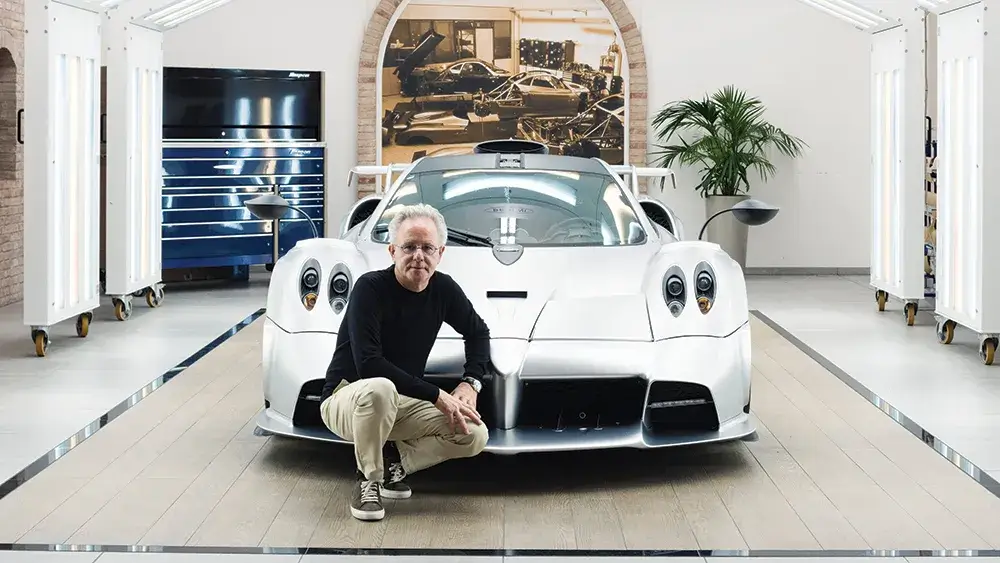
If there is one place in the world where the word “handcrafted” still has a literal meaning when applied to automobiles, it is Pagani Automobili in San Cesario sul Panaro, just outside Modena.
Pagani’s story feels almost too good to be true. Horacio Pagani was born in Argentina and grew up dreaming of building the most beautiful car in the world. In 1982, at the age of twenty, he arrived in Modena — the heart of the Motor Valley — with a recommendation letter from Juan Manuel Fangio in his pocket. He first worked at Lamborghini, where he became the company’s leading expert in carbon fiber. Then, in 1992, he founded his own automotive brand.
Visiting Pagani is less like touring a factory and more like entering the studio of an artist who uses carbon fiber and titanium instead of canvas and paint. Every vehicle — from the Zonda to the Huayra, from the Utopia to future models — is assembled entirely by hand, one component at a time, with a level of detail closer to Swiss haute horlogerie than to traditional automotive manufacturing. Production is limited to just a few dozen cars per year, each tailored to the customer’s exact specifications.
The Horacio Pagani Museum, open to the public since 2017, tells the founder’s story through prototypes, engineering materials, design sketches, and the philosophy behind every decision. Small, intimate, and deeply personal, it is the opposite of a polished corporate museum.
2. Maserati: A Century of the Trident Between Bologna and Modena
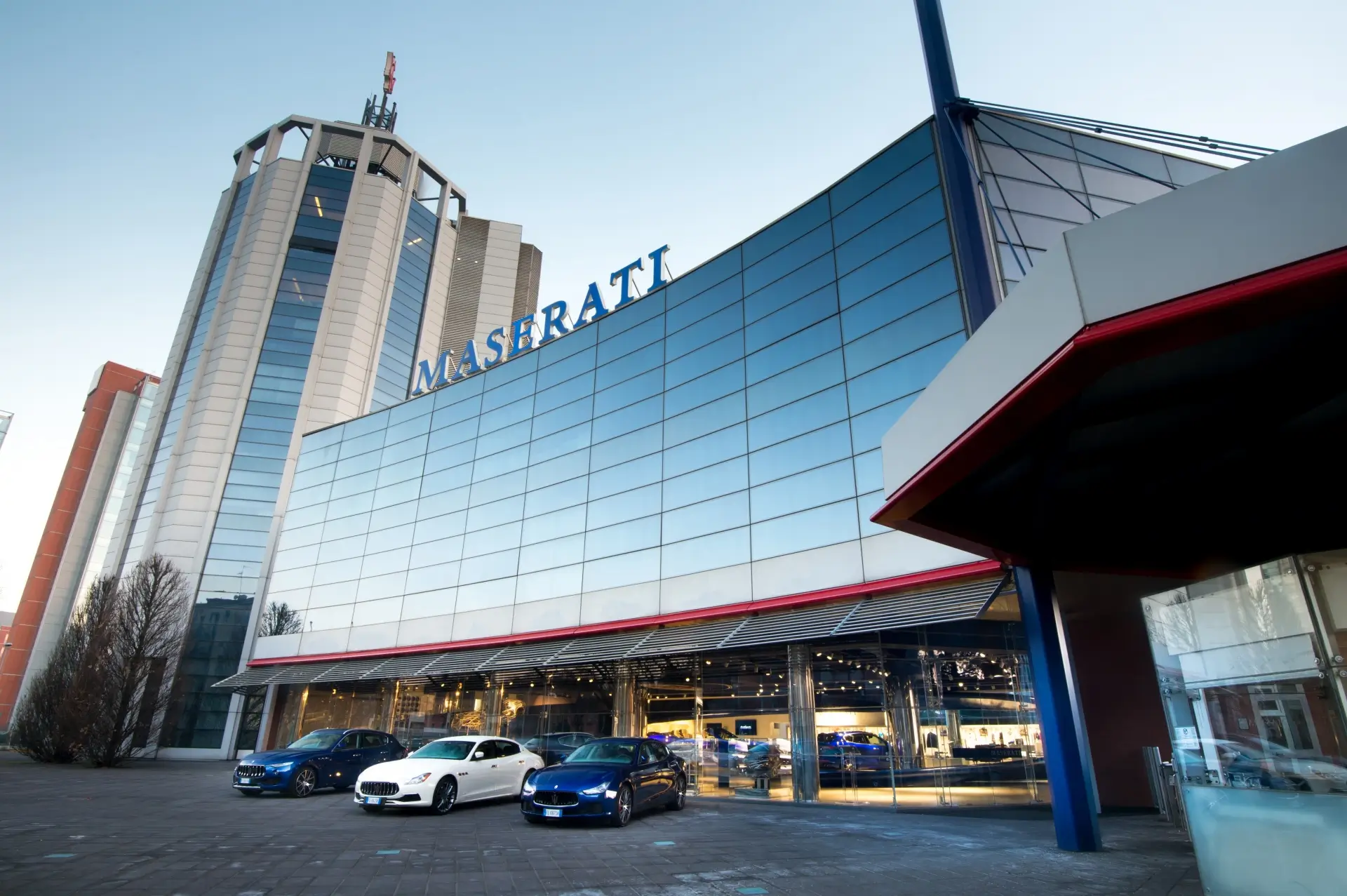
If Pagani represents the brilliant newcomer, Maserati is the aristocracy of the Motor Valley. The story begins in 1914 when Alfieri Maserati and his brothers Ettore and Ernesto opened the Officine Alfieri Maserati in Bologna. Their logo — the famous Trident inspired by Bologna’s Neptune Fountain — became one of the most recognizable symbols in automotive history.
Over more than a century, Maserati has experienced triumphs and setbacks, ownership changes and rebirths. It has won at Le Mans, Formula One, and road races across Europe. It has produced legendary grand tourers such as the 3500 GT, Ghibli, and Bora. Through it all, Modena has remained Maserati’s spiritual home. Today, it hosts the brand’s headquarters and the Maserati Innovation Lab, where the future of the Trident is being designed.
For travelers: the Enzo Ferrari Museum (MEF) in Modena, although dedicated to Ferrari’s founder, also tells the broader story of Modena’s automotive heritage, including Maserati. Its futuristic 2,500-square-meter structure features immersive multimedia displays and rotating exhibitions of historic automobiles, making it worth the visit even for those who are not die-hard car enthusiasts.
3. Dallara: The Invisible Champion of Global Motorsport
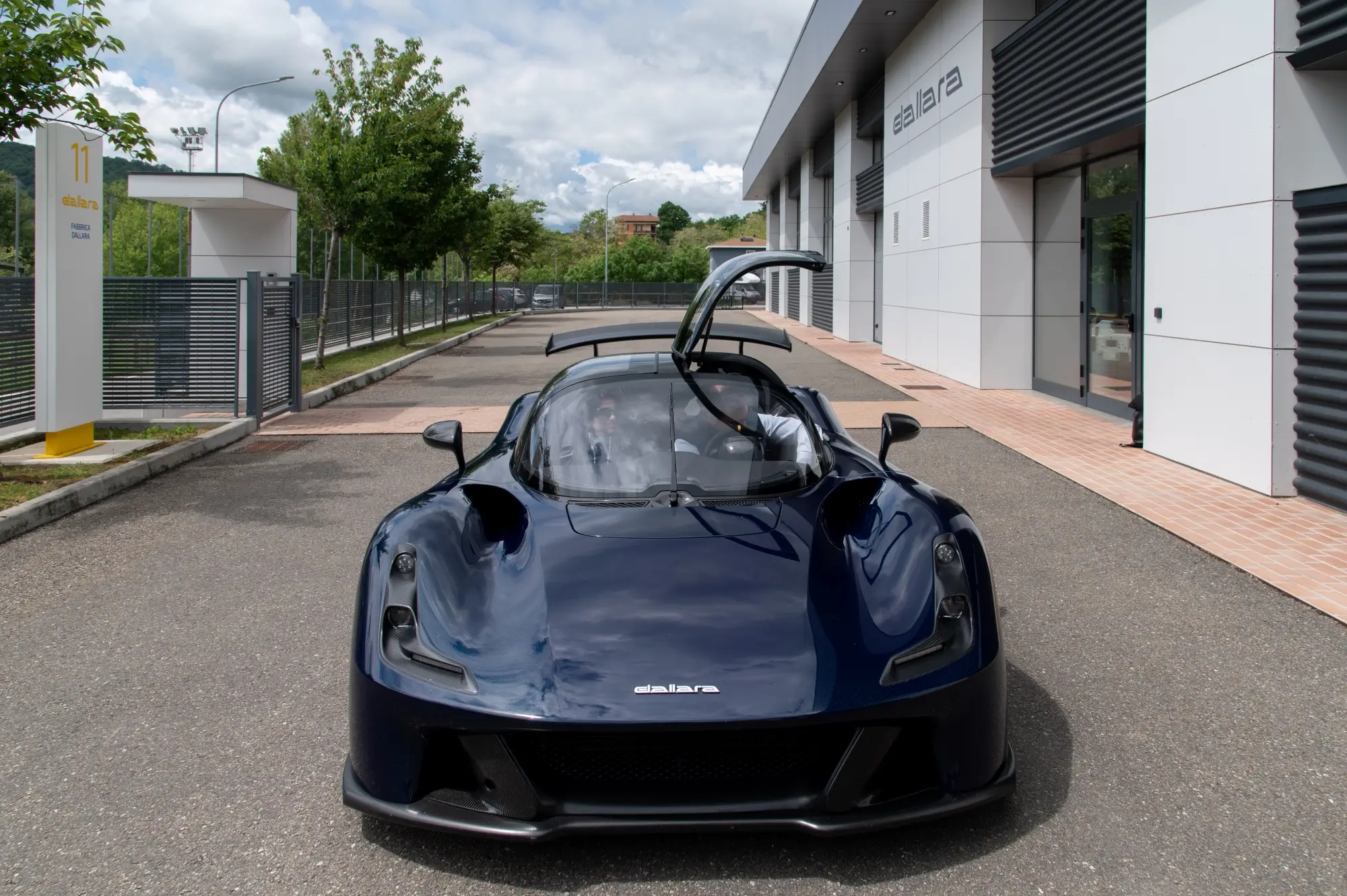
Less famous among the general public than Ferrari or Lamborghini, Dallara is arguably the most influential company in the Motor Valley when it comes to motorsport.
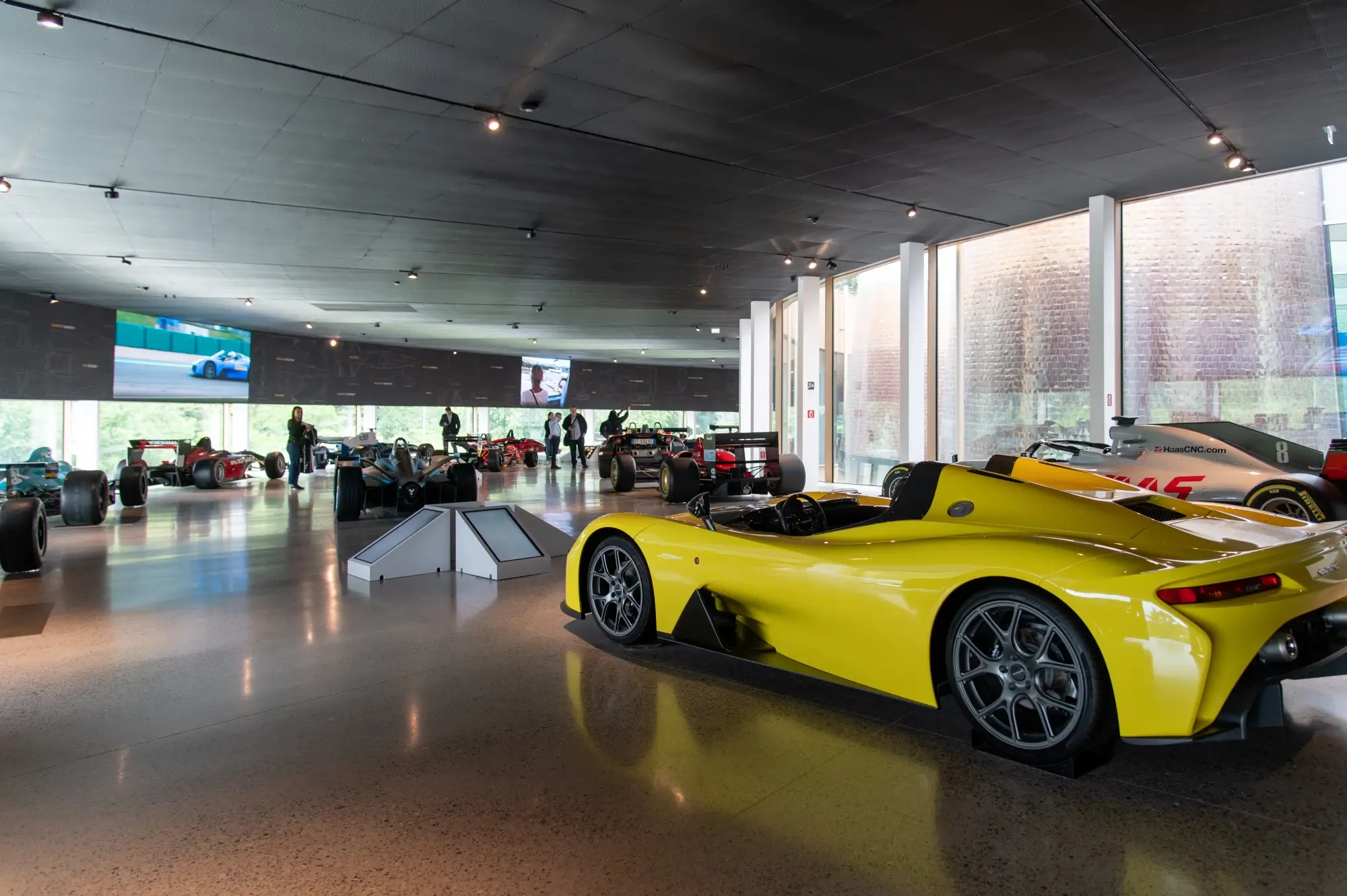
Founded in 1972 by Giampaolo Dallara in Varano de’ Melegari, near Parma, the company specialized in race-car engineering. Before launching his own business, Dallara had already worked for Ferrari, Maserati, Lamborghini, and De Tomaso. Today, Dallara chassis dominate the American IndyCar Series, are used in Formula 2 and Formula 3, and Dallara simulators help train professional drivers around the world.
Its biggest surprise came in 2017 with the launch of the Dallara Stradale, the company’s first road-legal sports car. Lightweight, minimalist, and designed purely for driving pleasure, it stands as the opposite of the luxury SUV — a manifesto of engineering purity.
Varano de’ Melegari is also home to the Dallara Academy and the nearby racing circuit, where future motorsport engineers are trained. For enthusiasts, it is the place that proves the Motor Valley is not just marketing — it is a region built on extraordinary technical expertise.
“You go to Maranello for the myth. To San Cesario for the wonder. To Varano de’ Melegari for understanding. The Motor Valley has a stop for every kind of passion.”
4. Why Are They All Here? The Mystery of Concentration
Anyone visiting the Motor Valley inevitably asks the same question: why here? Why have so many automotive legends emerged within a 50-kilometer stretch of the Via Emilia?
The answer lies in a unique combination of factors. There is the mechanical tradition dating back to the early twentieth century, when local workshops serviced and modified vehicles for the first road races. There is a network of highly specialized suppliers — coachbuilders, precision machinists, composite-material experts — that developed around major manufacturers and now forms a production ecosystem unlike any other. And there is the local culture of craftsmanship: the same obsession with quality shared by a Parmigiano Reggiano cheesemaker and a Dallara engineer — the same patience, pride, and attention to detail.
It is no coincidence that the Motor Valley and the Food Valley overlap geographically. The same culture that produces Parmigiano Reggiano and Traditional Balsamic Vinegar also produces Pagani hypercars and Dallara race cars. It is the Emilian culture of precision and time.
5. How to Visit the Factories: A Practical Guide
Not all Motor Valley factories can be visited in the same way. Here is what you should know before planning your trip.
Pagani: museum and factory tours are available by reservation in English or Italian. Visits last approximately 90 minutes and offer one of the most intimate experiences in the Motor Valley, with small groups and close access to the assembly lines. Advance booking is strongly recommended.
Enzo Ferrari Museum (Modena): open year-round, featuring a futuristic exhibition pavilion and rotating displays. Combined tickets with the Ferrari Museum in Maranello are available.
Ferrari Museum (Maranello): the largest and most visited automotive museum in the region. While the factory itself is not open to the public, the museum more than compensates with permanent and temporary exhibitions.
Dallara: the Dallara Academy in Varano de’ Melegari welcomes visitors and includes a professional driving simulator. Factory visits may be arranged directly with the company.
Lamborghini: museum and factory tours are available in Sant’Agata Bolognese. Watching the assembly of Huracán and Urus models is a remarkable combination of efficiency and craftsmanship.
Ducati: museum and factory tours in Bologna’s Borgo Panigale district. For motorcycle enthusiasts, this is the ultimate pilgrimage.
6. Motor Valley + Food Valley: The Perfect Combination with Food Valley Travel
The Motor Valley should never be experienced in isolation. Savvy travelers combine it with the Food Valley, because after a morning spent admiring hypercars, few things are more Emilian than enjoying Prosciutto di Parma, Parmigiano Reggiano, and a glass of Lambrusco for lunch.
Food Valley Travel has created experiences that combine the two souls of the region for those who want to experience Emilia-Romagna in all its richness.
→ The Fab Four – Full Immersion in the Motor Valley (1 Night) – Pagani, Ferrari, Maserati, and Lamborghini over two unforgettable days, combined with traditional local dining experiences.
→ Ferrari and Lamborghini Test Drives – The Modena Experience – for those who want to move from admiration to action, with driving experiences near the very factories where these legendary cars are built.
→ Food Valley Gourmet Tour – The Original (Half Day) – a visit to a Parmigiano Reggiano dairy and a Parma Ham producer, perfectly combined with an afternoon at the Ferrari or Pagani Museum.
→ Food Valley Gourmet Tour – The Big Fives (Full Immersion Day) – a full day dedicated to the five iconic products of the Food Valley — the ideal complement to a day spent exploring the Motor Valley.
Practical tip: because the Motor Valley stretches along the Via Emilia, it is easily explored by car. The ideal weekend combines one day dedicated to the Motor Valley (Pagani + Ferrari Museum + traditional trattoria lunch) and one day in the Food Valley (Parmigiano dairy + ham producer + balsamic vinegar estate). Two sides of the same Emilian soul.
Excellence Runs on the Same Road
The Motor Valley is not a theme park. It is a living industrial district where some of the world’s most extraordinary automobiles are designed, engineered, built, and tested every single day. Pagani, Maserati, and Dallara represent three different expressions of the same Emilian obsession with perfection — the very same obsession found in wheels of Parmigiano Reggiano, barrels of Traditional Balsamic Vinegar, and the curing rooms of Langhirano’s ham producers.
The next time you think of the Motor Valley, don’t stop at Ferrari. Go beyond. The lesser-known dream factories are often the ones that leave the deepest memories.